
Key takeaways
- Couples choose who travels in wedding cars, usually including themselves, attendants and selected family members.
- Assign passengers by name for every journey, including hotel pickups, ceremony arrivals, reception transfers and evening returns.
- After the ceremony, the couple usually travels together; photo passengers should match the photographer's planned groups.
- Choose vehicles around passengers' boarding needs, formal clothing and mobility equipment; children need suitable restraints and an accompanying adult.
- Guests without allocated seats need separate transport plans, with named pickup locations, return destinations and clear collection points.
- An optional getaway car serves the couple's final departure but does not replace return arrangements for the wedding party.
Who Travels in Wedding Cars? A Passenger Seating Matrix
You choose who travels in wedding cars: usually the couple, their attendants and selected family members. Passenger assignments change between the ceremony, photographs, reception and final departure. Tradition offers a starting point, not a compulsory seating plan. The best arrangement gives each person a clear seat without separating them from someone they need.
Who rides in wedding cars before the ceremony?
Traditionally, the bride travels with her father or another person accompanying her down the aisle. The groom often arrives with his best man or attendants. However, couples can travel with either parent, siblings, friends or each other. Your choice should reflect your relationships and preferred arrival, rather than a fixed rule.
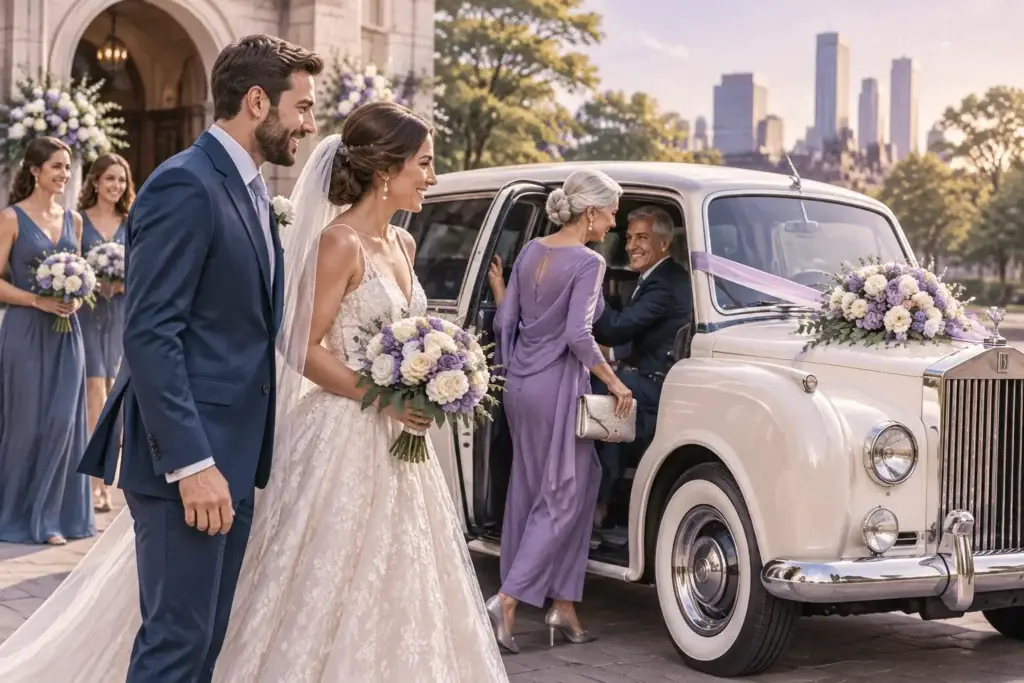
Assign passengers by name, not just by role, because family titles can hide different pickup needs. A parent staying at another hotel also needs a clear collection arrangement. Meanwhile, an attendant helping with clothing may belong beside the partner getting dressed, even when other attendants travel together.
For a private arrival, reserve the main car for one partner and their chosen companion. Alternatively, the couple can arrive together while attendants use another vehicle. Neither arrangement changes anyone’s importance in the ceremony.
Assign Passengers for Each Wedding Car Transfer
| Transfer | Partners | Attendants and Family | Separate Transport and Access Checks |
|---|---|---|---|
| Hotel pickups | Together or separate preparation addresses | Named attendants; chosen companions | Hotel entrance; luggage; boarding space |
| Ceremony arrival | Chosen arrival order | Escort with partner; attendants grouped | Guest arrivals; drop-off access; parking |
| Photo stops | Usually together | Only people needed for photographs | Family transfers; walking distance; vehicle access |
| Reception transfer | Together or with wedding party | Named reception-bound passengers | Guest shuttle; valet; reception entrance |
| Evening returns | Reception departure arrangement | Individual hotel and home destinations | Return trips; child restraints; collection point |
| Optional getaway | Couple | Separate departure arrangements | Overnight bags; destination; remaining guests |
Who shares the wedding cars after the ceremony?
After the ceremony, the couple usually travels together, while attendants share another car or limo. Parents and ceremony companions therefore need their next seats assigned separately. For example, a parent who arrived beside the bride does not automatically continue to the photo locations with the newlyweds.
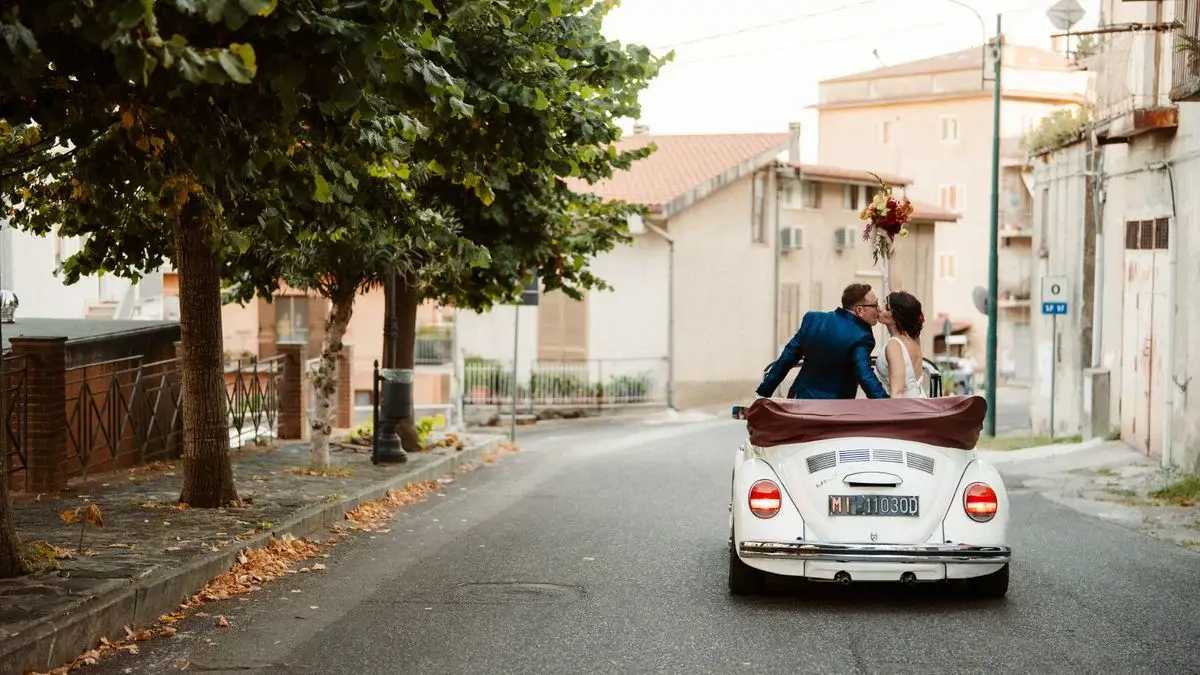
Photo passengers should match the photographer’s planned groups. Keep attendants nearby when they appear throughout the session, but give relatives a clear departure point after family portraits. Otherwise, someone may remain beside a car waiting for photographs that no longer involve them.
Reception transfers need another passenger count because the photo group may differ from the arrival group. Include anyone who joined at the ceremony without bringing a vehicle. An optional getaway car, however, serves only the couple’s final departure. It does not replace return arrangements for the wedding party.
Wedding car seating to suit your family
Wedding car seating should support your family relationships, including blended families, same-sex couples and chosen family. Either partner can travel with a parent, both can arrive together, or each can choose a close friend. No passenger gains a ceremonial right to a seat through tradition alone.
For example, separated parents may feel more comfortable in different vehicles without either missing the celebration. Give both a clear role and destination, rather than treating a shared car as proof of family unity. Likewise, a trusted friend can accompany a partner who prefers a quieter arrival.
Attendants also need flexibility when partners, carers or children depend on them. Keep those relationships together where practical, even when the vehicles look less symmetrical in photographs. Comfort and calm make a better arrival than a seating plan built only around appearances.
Which boarding and child-seat needs shape passenger groups?
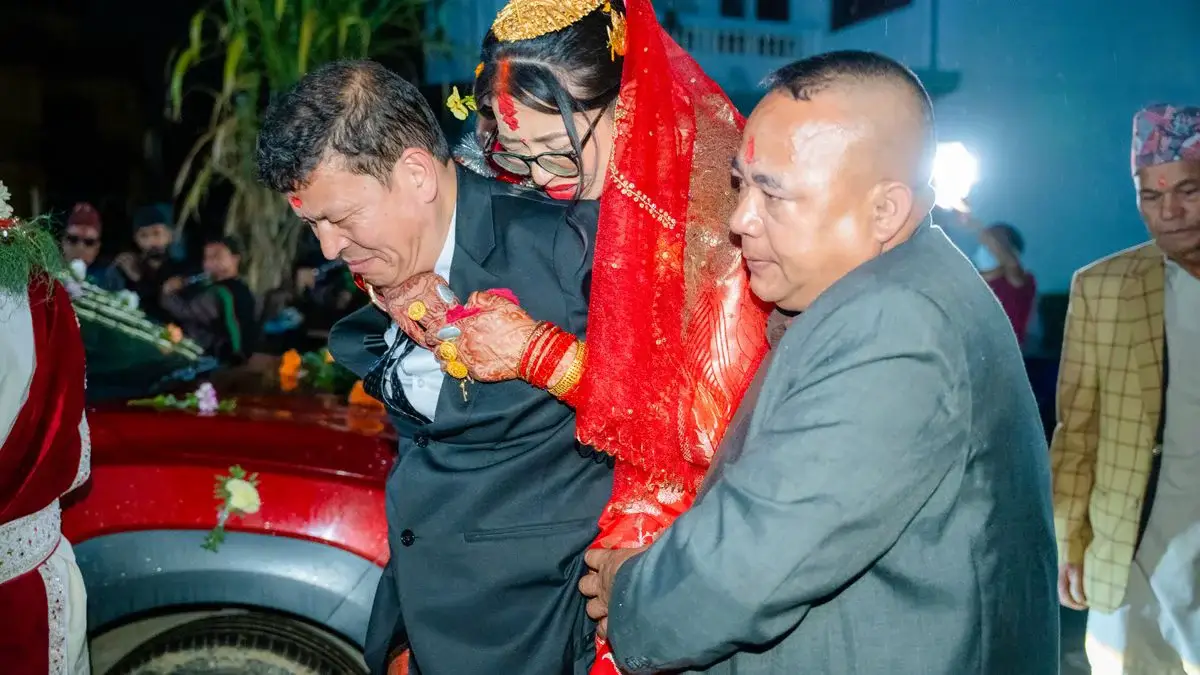
Assign wedding passengers around boarding needs before choosing the final vehicle combination. Consider steps, door openings, legroom, walking aids and the space needed for formal clothing. For instance, a passenger who needs help standing may benefit from travelling beside their usual support person.
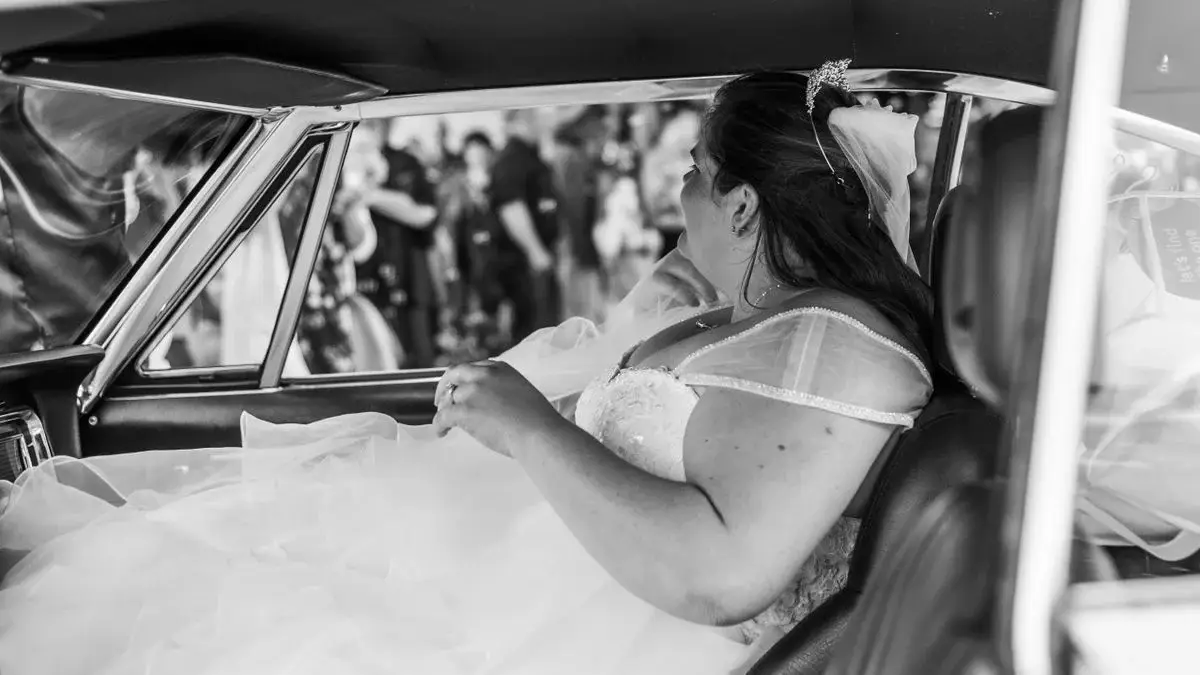
Vintage cars and a modern limo offer different cabin layouts, so appearance alone cannot settle suitability. Consider the actual passenger, their clothing and any mobility equipment.
Children need suitable restraints and an accompanying adult who can manage boarding and the trip. Discuss arrangements for children in the wedding party when planning their arrival. Confirm who travels in wedding cars with each child, so the supporting adult has a seat on every relevant transfer.
Which guests need hotel shuttles and return transport?
Guests need separate transport when they lack seats in the wedding vehicles, especially between different ceremony and reception locations. Identify hotel guests, non-drivers and people leaving early. For instance, grandparents may need a reception transfer without joining the wedding party’s photo stops.
Hotel shuttles need named pickup locations and return destinations, rather than a broad promise of transport. Grouping guests at a shared hotel can reduce collection stops, while remote venues or limited parking make organised transfers more useful. Keep the guest count separate from the wedding car passenger count.
Self-driving guests need parking details, and passengers using rideshare need a clear collection point. Neither group should assume the venue’s valet area also serves waiting wedding cars. At the reception’s end, likewise, give families with children and guests needing assistance a departure plan that suits them.
How do passenger names become a vehicle and pickup plan?
Plan who travels in wedding cars by counting occupied seats for each transfer, not across the whole day. The busiest simultaneous movement therefore determines the vehicles needed. Reusing a car works only when its first passengers arrive before the next pickup must begin.
For instance, a party of 12 can allocate 10 guests to a Chrysler limousine and 2 partners to a dedicated bridal car. This arrangement requires 2 vehicles. We offer this limousine-and-bridal-car combination for wedding transport. The example works because the couple and attendants retain separate seats after the ceremony.
For a smaller party, 1 car can serve the named passengers when its seating and pickup order fit. Larger groups, in contrast, need a broader allocation. We can accommodate up to 16 passengers across a coordinated set of Jaguar Mk5s, combining convertibles, sedans and the limousine. That capacity belongs to the set, not to each car.
Your wedding car timeline should work backwards from the required arrival. Allow space for boarding, traffic, unloading and the walk to the ceremony entrance. If a car returns for another group, include its empty return trip before assigning the next pickup.
Your checklist for passengers travelling in wedding cars
Your wedding transport checklist should connect each named passenger to a vehicle, pickup point, destination and departure arrangement. Include access needs and who holds the final schedule. The attendant coordinating hotel departures, for example, needs the same passenger list as the person meeting cars at the ceremony.
- Write each passenger’s name beside every transfer they need.
- Assign a vehicle and seat group for each departure.
- Record hotel entrances, ceremony drop-offs and reception collection points.
- Add boarding needs, child restraints and mobility equipment beside the relevant passenger.
- Set pickup times around arrival deadlines, boarding time and traffic buffers.
- Share the final schedule with chauffeurs, venue contacts and the nominated transport coordinator.
Our transport service includes the limousine or vintage car and a driver. Keep photo stops, waiting periods, reception transfers and any getaway within the agreed hire arrangement. Treat driver gratuities as a separate budget decision rather than assuming they form part of the hire.
Book once your date, venues and passenger groups take shape, particularly for peak-season weddings and matching vehicles. Include parking, valet access, entrance restrictions and a delay contact in the booking discussion. We keep a reserve classic vehicle on peak wedding days; nevertheless, identify who receives and shares any revised instructions.
Who coordinates passengers if plans run late or a vehicle has an issue?
To coordinate who travels in wedding cars, nominate 1 transport coordinator and a backup who both hold passenger lists and contact numbers. If hair or makeup runs late, that coordinator should tell us promptly. They should then confirm the revised departure with the preparation team and update the ceremony contact. Keep passengers with their assigned groups rather than sending them to find alternative lifts without recording the change.
For traffic delays, agree who receives chauffeur updates and passes revised arrival times to passengers, the photographer and the relevant venue. Decide in advance which photo stops you can shorten or skip to protect the ceremony or reception timing. That way, you avoid trying to recover time by rushing boarding.
Before finalising the booking, discuss the response to a vehicle issue. Agree who authorises backup dispatch, how we will communicate replacement availability and arrival time, and how you will reassign passengers. Any replacement plan must still accommodate the named passengers, child restraints and boarding needs. The transport coordinator should share revised vehicle assignments and the collection point with affected passengers and venues. As a result, nobody should remain waiting beside the original car.
Keep wedding car seats tied to people, not tradition
At Belle Classic Limousines, we would rather build a calm arrival around your chosen companions than force a traditional seating order. Our preference is to settle those personal choices before choosing the car combination. A quieter ride with the right companion can matter more than keeping every attendant together.
FAQ
These quick answers cover common passenger choices. Your relationships and transport needs, rather than tradition alone, should guide the final seating plan.
Who traditionally travels in the bride’s car?
The bride traditionally travels with her father or the person accompanying her into the ceremony. That companion can instead be a mother, sibling, friend or another trusted person.
Who rides in the car with the bride?
The bride decides who rides with her, within the chosen vehicle’s passenger arrangement. She can travel with a parent, an attendant, her partner or a close friend.
Who drives the wedding getaway car?
For our chauffeured wedding hire, a driver handles the getaway transfer. Plan that departure as a distinct booking requirement, including the destination and overnight bags. Do not assume the ceremony vehicle remains for the evening.
Can both partners arrive at the ceremony together?
Yes. Partners can share the arrival car and enter the ceremony together, or separate at the venue for their preferred entrance.
Do parents stay in the wedding cars all day?
No. Parents can use the wedding cars for selected transfers without joining every photo stop or reception arrival.
Decide who travels in wedding cars for each transfer, then set your passenger list beside your ceremony and reception plans. You can then request a quote for your wedding transport. We can discuss vehicle combinations that suit your people, your celebration and your budget.